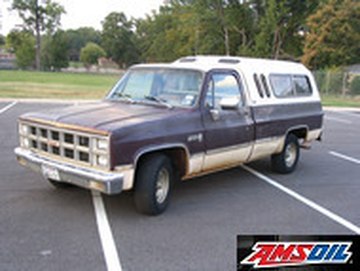
Lubrication Maintenance for the 1982 Gmc Trucks S15 PICKUP 2.8L
Maintaining the engine lubrication system in a 1982 Gmc Trucks S15 PICKUP with the 2.8L engine requires consistent attention to fluid condition and component integrity. As vehicles age, the way they manage heat and internal friction can change, making regular inspections of the oiling system a vital part of long-term ownership. Proper lubrication ensures that moving parts remain protected against wear while helping to manage the thermal loads generated during operation.
Monitoring Fluid Condition and Potential Leaks
One of the most effective ways to monitor the health of the 2.8L engine is through regular visual inspections of the lubricant itself and the areas surrounding the engine block. When performing routine checks, look for any signs of fluid seepage or active leaks. Even small amounts of oil appearing on the exterior of the engine or dripping onto the ground can indicate that a gasket or seal may be losing its ability to contain pressure.
Beyond looking for external leaks, the appearance of the oil on the dipstick provides important information. While oil will naturally darken over time due to use, an extremely thin consistency or a very milky appearance can warrant further investigation. If you notice changes in how the lubricant behaves or if you find yourself needing to add fluid more frequently than usual, it is important to address these observations promptly to prevent potential mechanical issues.
Observing Potential Warning Signs
Drivers should remain attentive to any new sensations or indicators that suggest the lubrication system is not performing as expected. While many symptoms can have multiple underlying causes, certain signs are worth investigating immediately:
- Unusual Noises: Any new mechanical sounds coming from the engine area during startup or while idling may be related to how the internal components are being lubricated.
- Warning Indicators: If the dashboard features any oil-related warning lights, these should never be ignored. An active warning light requires immediate attention to determine why the system is signaling a concern.
- Exhaust Observations: Changes in exhaust color or consistency can sometimes be associated with how the engine is managing its internal fluids.
- Fluid Consumption: A noticeable increase in the amount of oil required between service intervals is a primary indicator that the engine may be consuming lubricant.
It is important to remember that these symptoms are not definitive diagnoses of a specific failed part; rather, they serve as signals that the vehicle requires a professional inspection to identify the root cause.
Managing Maintenance Records and Baselines
For owners of a 1982 Gmc Trucks S15 PICKUP, establishing a clear maintenance history is one of the most practical steps toward effective long-term care. If you have recently acquired this vehicle, your first priority should be to establish a baseline. This involves performing a thorough inspection and documenting the current state of all fluids, filters, and visible engine components.
If previous service records are available, review them to understand the history of repairs and fluid changes. Knowing when the oil was last changed or when specific seals were replaced helps in predicting future maintenance needs. If no records exist, begin a new log immediately. Documenting every oil change, filter replacement, and any observed seepage or mechanical repair creates a roadmap for the vehicle's ongoing health. This organized approach allows you to distinguish between routine service requirements and unexpected changes in the engine's behavior.
Inspecting Aging Engine Components
As an older vehicle, the 1982 S15 PICKUP may have components that are subject to age-related wear. When performing maintenance, it is useful to look beyond just the oil and consider the surrounding systems. If equipped, inspect accessible drive belts for signs of deterioration such as cracking, glazing, or fraying. Similarly, check any visible hoses for signs of softening, swelling, or brittleness.
Electrical connections and wiring harnesses should also be inspected for signs of corrosion or damage to the insulation. Ensuring that sensors and connectors are clean and secure is essential for the accurate monitoring of engine vitals. By focusing on the current condition of these materials rather than just the age of the vehicle, you can prioritize repairs that are actually necessary, avoiding unnecessary parts replacement while addressing active concerns before they escalate.
Prioritizing Service Tasks
Effective maintenance is about knowing where to focus your efforts. Rather than attempting to replace every aging component at once, use a condition-based approach. Address active leaks or warning signs first, as these represent immediate risks to the engine's operation. Once the primary concerns are stabilized, you can move toward preventive measures, such as replacing worn belts or hoses that show early signs of fatigue.
Regularly reviewing your maintenance log will help you stay ahead of these tasks. If you notice a pattern—such as a specific area consistently showing minor seepage—you can plan for a more permanent repair during your next scheduled service. This methodical way of managing an older engine helps maintain operational stability and ensures that resources are directed toward the most impactful maintenance activities.
Buying Engine Oil for your 1982 Gmc Trucks S15 PICKUP 2.8L
When it is time to replenish or change the lubricant in your 2.8L engine, the most critical step is ensuring the product matches the specific requirements of your application. To ensure proper protection and performance, match the engine oil to the application-specific viscosity information already displayed on this webpage.
When shopping for products, consider the following practical tips:
- Verify Labeling: Always check the product packaging to confirm that the SAE viscosity grade matches what is listed in your vehicle's application data.
- Consider Formulations: Depending on your engine's current condition and mileage, you may choose between conventional, synthetic blend, or full synthetic oils. Some high-mileage oil formulations contain additives intended for use in aging engines, including seal-conditioning additives that may be beneficial for older seals.
- Check Certifications: Look for the appropriate API (American Petroleum Institute) service symbols on the bottle to ensure the oil meets modern quality and performance standards.
By following the specific guidance provided in the application information above, you can select a lubricant that is appropriate for your 1982 Gmc Trucks S15 PICKUP.